

Introduction
Building a beautiful home does not always require a massive budget. With smart planning, creative layouts, and cost-effective materials, anyone can create a stylish and comfortable living space without overspending. Budget house design focuses on affordability while maintaining functionality, durability, and visual appeal. Many homeowners today prefer simple yet modern house designs that reduce unnecessary expenses and maximize available space.
A budget-friendly home can still look elegant and practical when designed correctly. From choosing compact floor plans to selecting energy-efficient materials, every decision plays a major role in reducing construction and maintenance costs. Modern architecture has made it easier to build affordable homes that meet the needs of small families, couples, and even first-time homeowners. Whether you want a single-story home, a tiny house, or a small modern villa, careful planning can help you save money without sacrificing comfort.
Many beginners search for affordable design ideas online using free SEO tools to explore trending layouts, construction ideas, and low-cost materials. These resources can help homeowners compare designs, estimate costs, and understand what works best within their budget. By learning the basics of budget house design, you can avoid common mistakes and create a dream home that matches both your lifestyle and financial goals.
What is Budget House Design?
Budget house design refers to the process of planning and building a home using cost-effective methods, affordable materials, and practical layouts. The goal is to minimize construction expenses while maintaining comfort, safety, and functionality. These homes are designed to maximize available space and reduce waste during construction. Budget homes often include simple architectural styles, compact rooms, and energy-efficient features.
Modern budget house designs are becoming increasingly popular among beginners, small families, and first-time homeowners. They focus on smart space utilization instead of luxury features that increase costs unnecessarily. Many people use online resources and free SEO tools to research affordable house plans, interior ideas, and low-cost construction strategies before starting their projects. This helps them make better decisions and stay within their budget.
Why is Budget House Design Important?
Budget house design is important because it allows people to own homes without taking on excessive financial stress. Rising construction costs have made it difficult for many families to build traditional large houses. Affordable housing solutions help homeowners create practical living spaces while avoiding unnecessary expenses. A well-designed budget home also reduces long-term maintenance and utility costs.
Another major benefit is flexibility. Budget-friendly homes can be customized according to personal needs and available land size. Smart layouts improve space efficiency and create comfortable living environments even in smaller homes. Many homeowners research affordable ideas using free SEO tools to discover modern trends, cost-saving techniques, and construction tips that match their financial plans. This makes budget house design accessible to beginners who want affordable yet stylish homes.
Step-by-Step Guide to Creating a Budget House Design
Step 1: Set a Realistic Budget
The first step is determining how much money you can comfortably spend on the project. Include costs for land, permits, labor, materials, furniture, and unexpected expenses. A clear financial plan prevents overspending and helps you prioritize essential features over luxury additions.
Using online calculators and free SEO tools can help you estimate construction costs and compare pricing trends. This research helps beginners understand average expenses before starting the project.
Step 2: Choose a Simple House Layout
Simple layouts are cheaper to build and easier to maintain. Square or rectangular floor plans reduce construction complexity and material waste. Open floor concepts also save money by reducing the number of walls and partitions needed.
Small homes with multi-purpose rooms are ideal for budget-friendly living. For example, combining the dining and living areas can make the house feel larger while lowering costs.
Step 3: Select Affordable Building Materials
Choosing cost-effective materials is one of the best ways to reduce construction expenses. Concrete blocks, prefabricated panels, recycled wood, and metal roofing are popular affordable options. Durable materials may cost more initially but can save money on repairs later.
Researching material reviews using free SEO tools helps homeowners identify reliable and affordable suppliers. Comparing prices online can significantly reduce overall project costs.
Step 4: Focus on Energy Efficiency
Energy-efficient homes reduce electricity and maintenance expenses over time. Installing proper insulation, energy-saving windows, and LED lighting can lower monthly utility bills. Natural ventilation and sunlight also improve indoor comfort without increasing energy use.
Simple design features such as large windows and proper roof placement can make a huge difference in long-term savings.
Step 5: Optimize Interior Space
Smart interior planning helps small homes feel spacious and comfortable. Built-in shelves, foldable furniture, and minimalistic décor improve functionality without overcrowding rooms. Multi-functional furniture is especially useful in compact homes.
Beginners often search online for creative interior solutions using free SEO tools to discover modern space-saving ideas for affordable homes.
Step 6: Hire Experienced Professionals

Hiring skilled architects and contractors helps avoid costly mistakes during construction. Experienced professionals can recommend affordable alternatives and ensure that the project stays within budget.
Although professional services may seem expensive initially, they often save money in the long run by preventing design errors and construction delays.
Benefits of Budget House Design
- Lower construction costs
- Reduced maintenance expenses
- Faster construction time
- Better space utilization
- Energy-efficient living
- Easier cleaning and maintenance
- Suitable for small families and beginners
- Flexible customization options
- Reduced financial stress
- Environmentally friendly construction methods
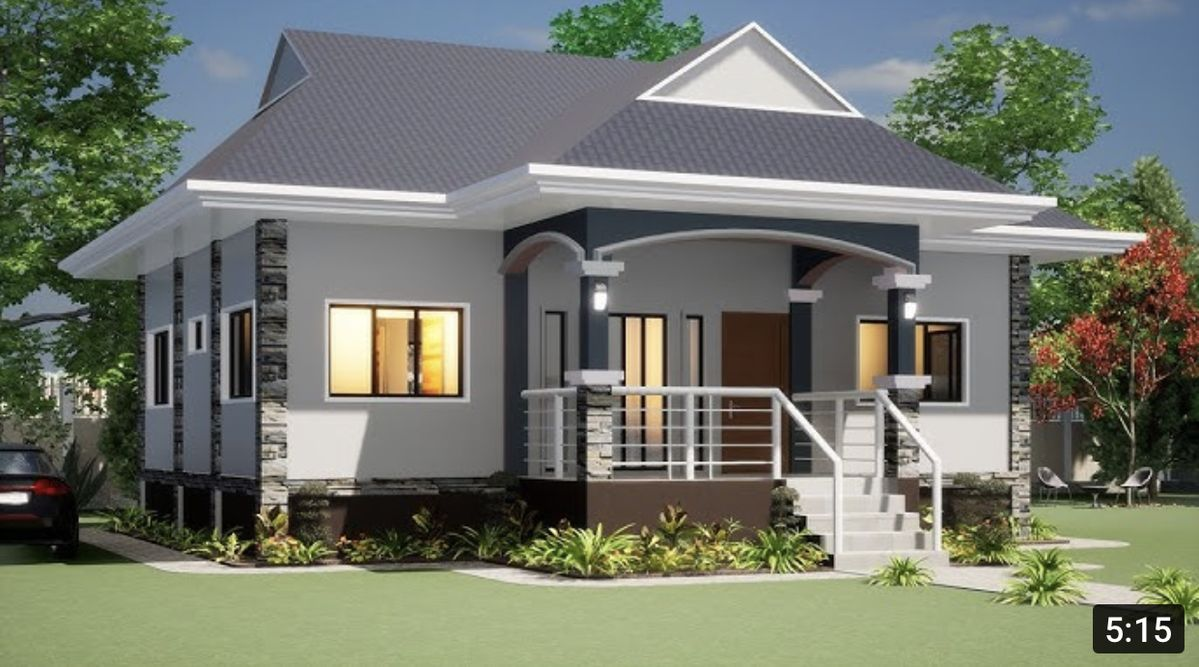
Budget house designs also allow homeowners to focus on essential features rather than unnecessary luxury elements. Many modern affordable homes look elegant despite their lower costs because of smart design choices and efficient layouts.
Disadvantages / Risks
- Limited interior space
- Fewer luxury features
- Lower resale value in some locations
- Design limitations on small plots
- Cheap materials may reduce durability
- Poor planning can lead to hidden costs
- Limited future expansion possibilities
- Incorrect budgeting may delay construction
While budget homes offer many advantages, careful planning is necessary to avoid quality issues. Researching reliable materials and experienced contractors is essential for long-term success.
Common Mistakes to Avoid
One common mistake is underestimating the total construction cost. Many beginners only focus on material expenses and forget about permits, labor, utility connections, and finishing costs. This can lead to budget overruns and incomplete projects.
Another major mistake is choosing overly complex designs. Fancy architectural features increase labor costs and construction time. Simple designs are more affordable and easier to maintain. Many homeowners also fail to compare suppliers and materials properly. Using free SEO tools to research pricing, reviews, and modern trends can help avoid poor financial decisions.
Ignoring energy efficiency is another costly mistake. Homes without proper insulation or ventilation often result in higher electricity bills. Planning for long-term savings is just as important as reducing initial construction costs.
FAQs
1. What is the average cost of a budget house?
The cost depends on location, materials, labor, and house size. Small budget homes generally cost much less than luxury homes because they use simple layouts and affordable materials.
2. Can a budget house still look modern?
Yes, modern budget homes can look stylish and elegant with smart architectural designs, minimalistic interiors, and proper color combinations. Simplicity often creates a clean and modern appearance.
3. What size is best for a budget-friendly house?
Compact homes between 500 and 1500 square feet are usually more affordable and easier to maintain. Smaller homes also reduce utility and maintenance costs.
4. How can I save money during construction?
You can save money by using simple designs, affordable materials, energy-efficient systems, and experienced contractors. Comparing prices using free SEO tools also helps identify cost-saving opportunities.
5. Are prefabricated homes cheaper?
Yes, prefabricated homes are often cheaper because many components are manufactured in factories, reducing labor costs and construction time.
6. Is hiring an architect necessary for a budget home?
Hiring an architect is helpful because they can create efficient layouts and prevent costly mistakes. Professional planning often saves money in the long term.
Expert Tips & Bonus Points
Always prioritize functionality over unnecessary decoration. A practical layout improves daily living and reduces construction expenses. Choose designs that allow natural lighting and airflow to minimize energy consumption.
Invest in durable materials for critical areas such as roofing and foundations. Cheap low-quality materials may increase maintenance costs later. Beginners should also create an emergency fund for unexpected expenses during construction.
Using online resources and free SEO tools can help homeowners stay updated on affordable construction trends, modern layouts, and material pricing. Researching before construction begins improves decision-making and prevents financial mistakes.
Another expert tip is planning for future needs. Even if the initial home is small, designing flexible spaces can make future renovations easier and more affordable.
Conclusion
Budget house design is an excellent solution for people who want affordable, practical, and modern homes without excessive financial pressure. Smart planning, efficient layouts, and careful material selection can significantly reduce construction costs while maintaining comfort and style. Today’s homeowners are increasingly choosing compact and energy-efficient homes because they are easier to maintain and more environmentally friendly.
A successful budget home is not about sacrificing quality but about making smarter choices. From selecting simple floor plans to using durable materials, every decision contributes to long-term savings and better living conditions. Beginners can benefit greatly from researching online resources and using free SEO tools to explore affordable house plans, compare costs, and learn modern construction techniques.
By avoiding common mistakes and focusing on functionality, anyone can create a beautiful and comfortable budget-friendly home. Whether you are building your first house or planning a small family home, a well-designed budget house can provide both financial stability and a satisfying lifestyle for years to come.
